
Emergency Water Extraction in Dayton, Ohio
Water on the floor? A flooded basement, broken pipe, appliance leak or major commercial water loss can quickly affect flooring, drywall and other building materials.
Triton Steam Cleaning provides professional water extraction, moisture evaluation and structural drying for homes and businesses throughout the Dayton area.
Water in Your Home or Business? Do These Things Now.
Shut off the source if you can safely do so. For a plumbing failure, this may mean shutting off the appropriate water supply.
Do not enter standing water when electrical hazards may be present. Safety comes before property cleanup.
When safe, take photos and video of affected areas and belongings before major cleanup begins.
Tell us what happened, what areas are affected and whether water is still entering the property.
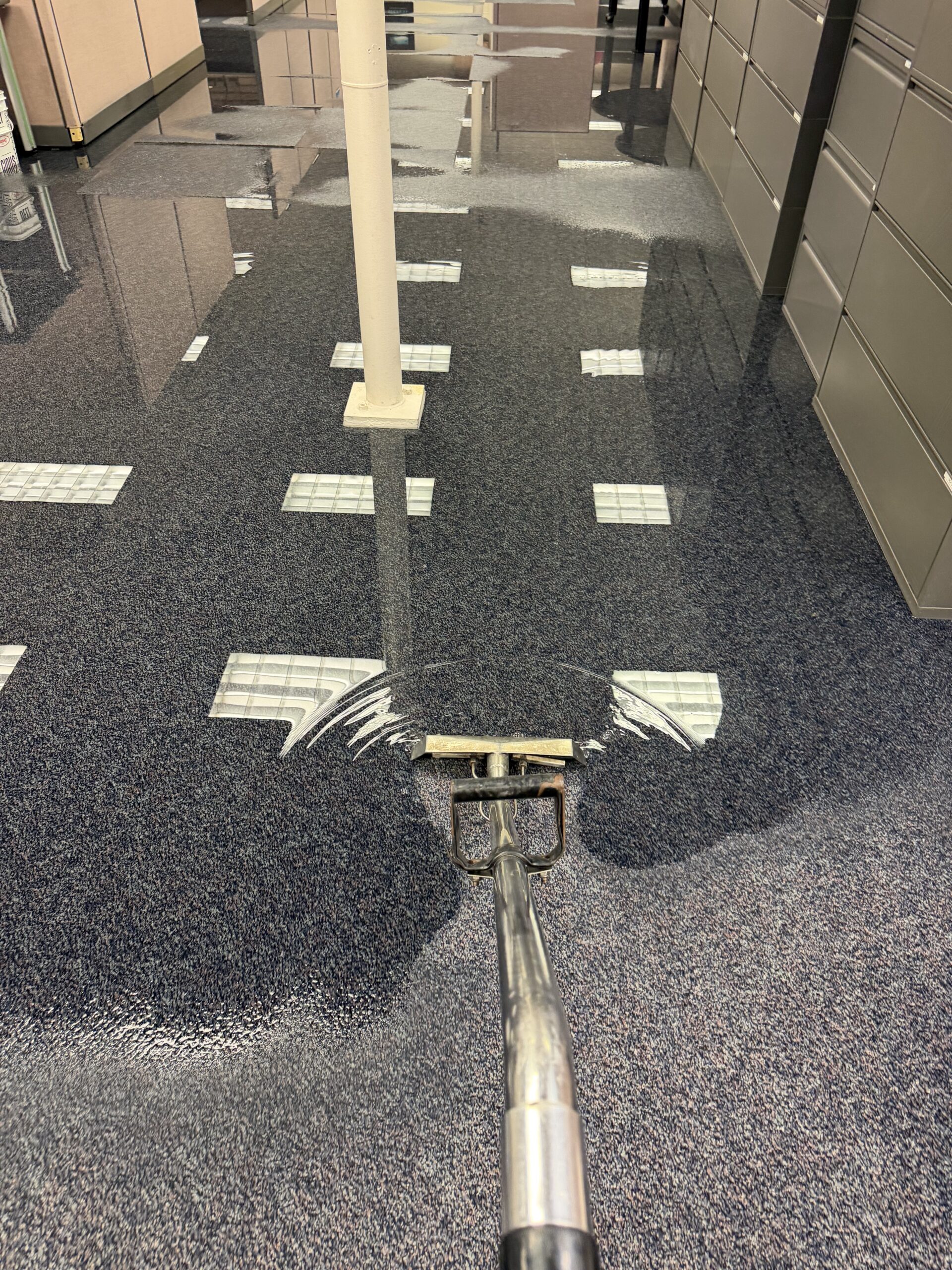
Removing Standing Water Is Only the Beginning
Water you can see is only part of a water-loss project. Moisture may also affect carpet, pad, baseboards, drywall, flooring and other building materials.
That's why Triton's objective isn't simply to vacuum up visible water and leave.
Where the Water Came From Matters
The source and condition of the water influence how a water loss should be approached. A broken clean-water supply line is not the same situation as sewage or outside floodwater.
Supply-Line & Clean-Water Losses
Examples can include certain broken supply lines, overflowing clean-water fixtures and other initially clean water sources.
Water With Contamination
Water quality can deteriorate or contain contaminants depending on its source, what it contacts and how long it remains in the structure.
Sewage & Outside Floodwater
Sewage backups and outside floodwater require additional precautions because potentially harmful contamination may be present.
If sewage, outside floodwater, electrical hazards or another potentially dangerous condition is involved, keep people away from the affected area until it can be evaluated safely.
Triton's Water Extraction & Drying Process
Every water loss is different. The affected materials, water source, size of the loss and how long the area has been wet all influence the appropriate response.
The goal is to remove water, identify affected materials and establish an appropriate drying plan.
Evaluate the Water Loss
We determine what happened, where the water traveled and which accessible areas and materials appear to be affected.
Extract Standing Water
Professional extraction equipment is used to remove accessible standing water and water held in appropriate flooring materials.
Evaluate Materials
Carpet, pad, drywall, baseboards, flooring and other materials are evaluated to determine what may be dried and what may need to be removed.
Remove Materials When Necessary
When affected materials cannot appropriately remain in place, removal may be necessary to access wet areas and support the drying process.
Set Drying Equipment
Air movement and dehumidification equipment can be positioned based on the size and conditions of the loss.
Monitor Moisture & Drying
Drying progress is evaluated during the project so equipment and the drying plan can be adjusted when needed.
Complete the Dry-Out
Equipment is removed when the appropriate drying objectives for the project have been reached.
A Floor Can Look Dry Before the Structure Is Dry
Surface appearance alone doesn't tell the entire story after a water loss.
Moisture may remain in carpet backing, pad, drywall, wood, subflooring and other materials after visible standing water has been removed.
Professional drying combines water removal with appropriate air movement, dehumidification and moisture monitoring.
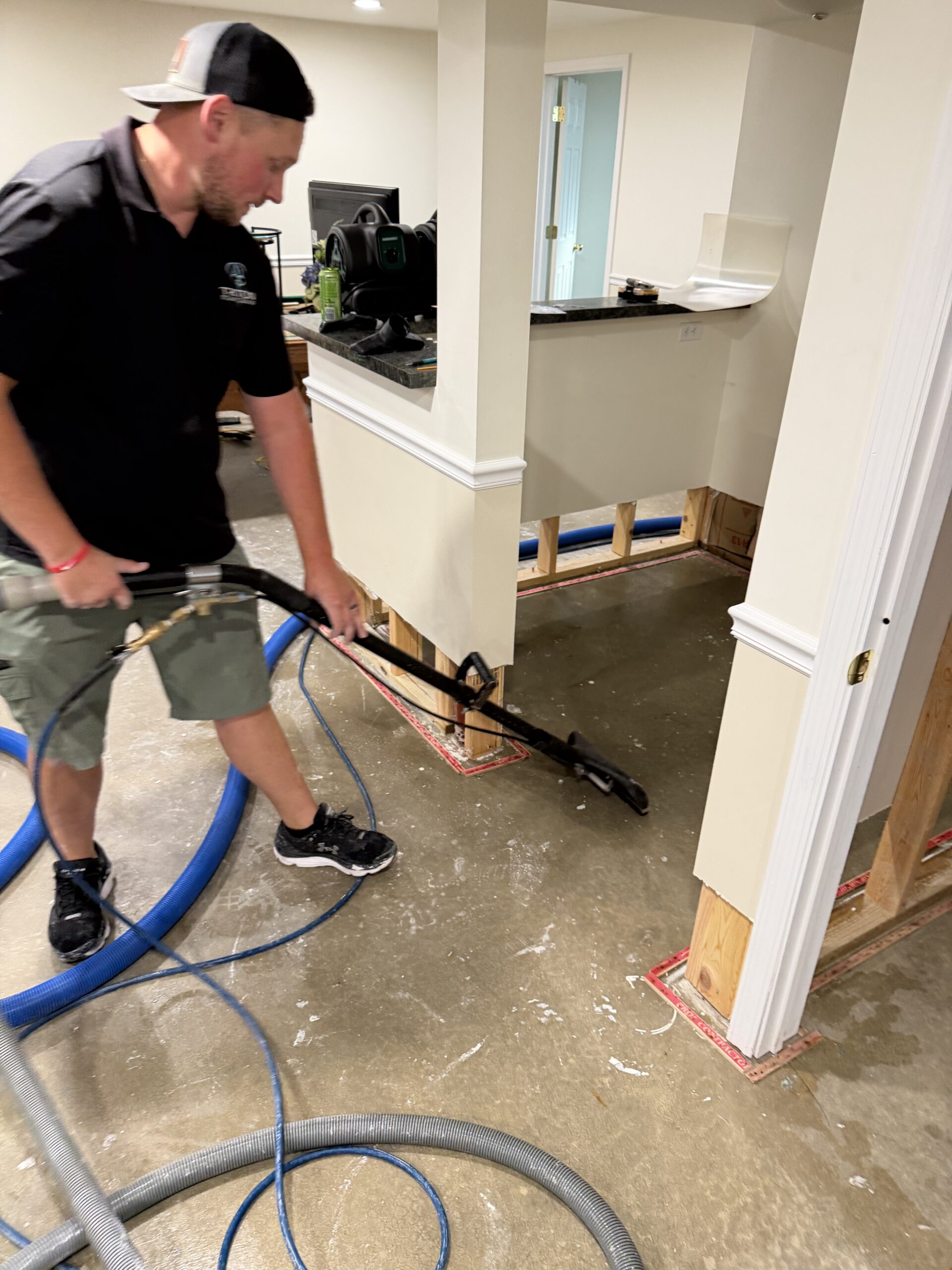
Sometimes Extraction Alone Isn't Enough
Depending on the water source, material condition and extent of moisture, some affected building materials may need to be removed rather than simply dried in place.
This actual Triton project shows the floor being cleaned after a basement tear-out and flood cut.
- Wet drywall may require removal in some situations
- Baseboards may need to be removed to access affected areas
- Carpet pad may not always be appropriate to save
- Damaged materials can prevent access to wet cavities
- The water source and level of contamination matter
- Removal decisions should be based on the actual loss—not a blanket rule
What Happens to Carpet, Drywall & Flooring?
There isn't one answer for every water loss. The source of the water, how long materials have been wet, their condition and whether they can be adequately dried all matter.
Carpet & Pad
Some carpet affected by appropriate clean-water losses may be candidates for extraction and drying. Pad or carpet may require removal depending on contamination, condition and the circumstances of the loss.
Drywall & Baseboards
Some wall materials may dry in place under appropriate conditions. Swelling, deterioration, contamination or the need to access wet wall cavities can make removal necessary.
Hard Flooring & Subfloors
The visible flooring is only one consideration. Moisture beneath the finished floor or within the subfloor may also need to be evaluated as part of the drying plan.
Don't Let a Water Loss Sit Unnecessarily
The goal is not to create panic—it is to begin appropriate water removal and drying as soon as reasonably possible.
Water can continue moving into porous building materials after the initial leak or flooding event. The U.S. Environmental Protection Agency's water-damage guidance emphasizes drying wet materials quickly, commonly within 24–48 hours when possible, to reduce the potential for mold growth.
Call Triton: 937-556-2219Flooded School Water Extraction
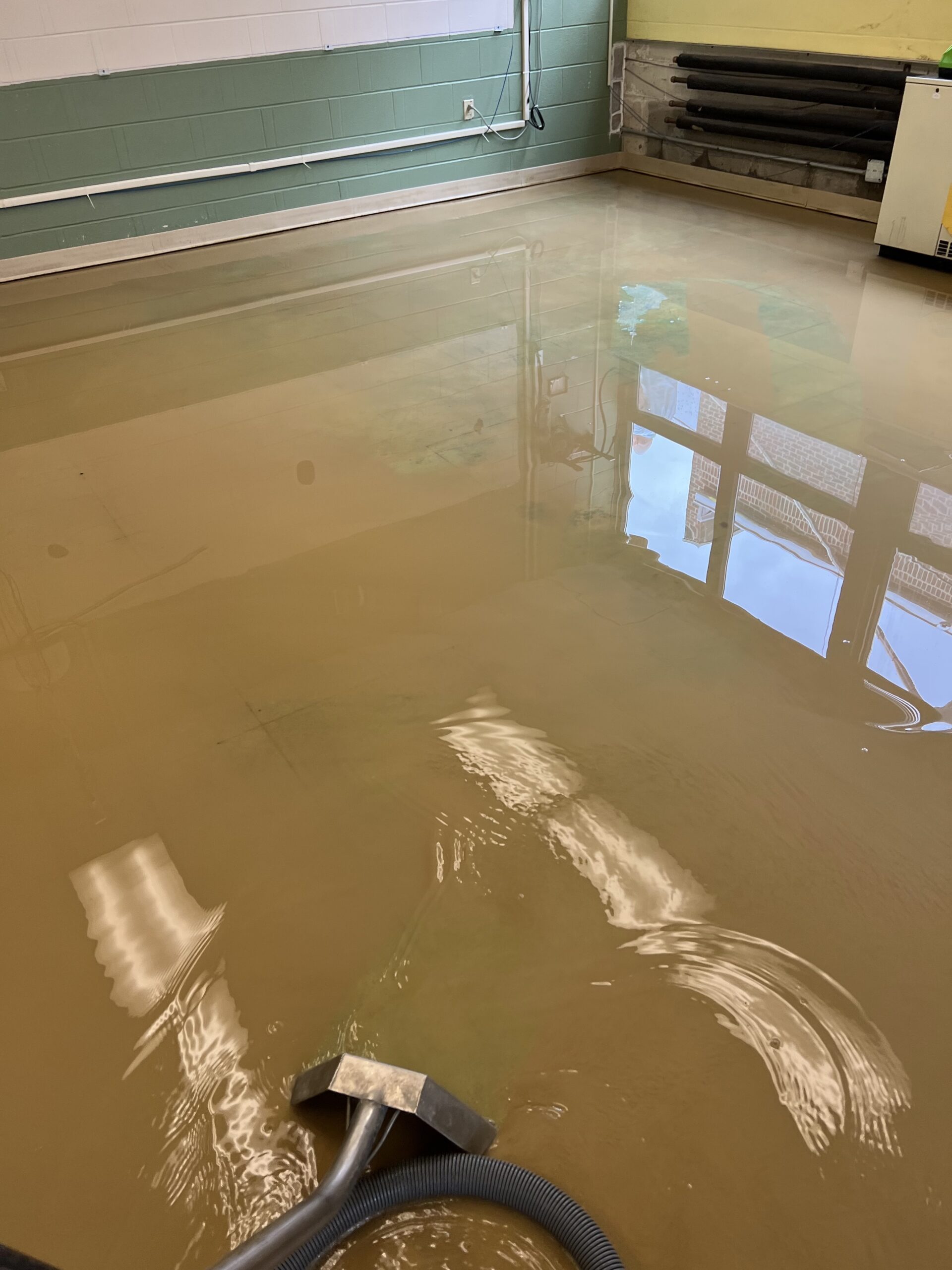
Water losses don't only happen in basements. Triton has responded to larger commercial and institutional losses where significant areas needed professional extraction and drying.
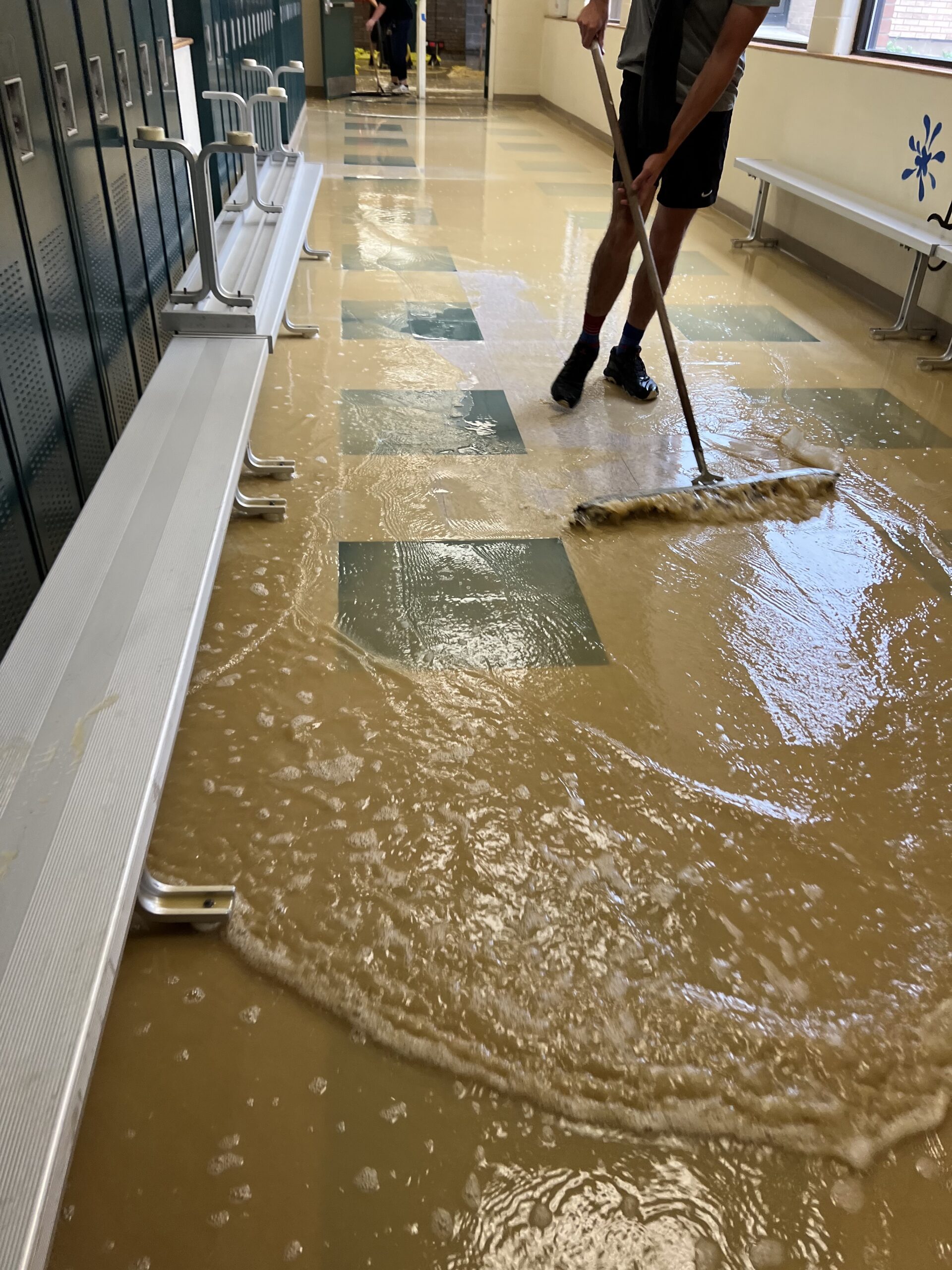
Warehouses, Schools, Apartments & Commercial Properties
A large commercial water loss requires more than a residential wet vacuum.
Triton can respond to commercial water-extraction projects where larger areas, multiple rooms or significant amounts of water require professional equipment and a coordinated drying plan.
Call About a Commercial Water Loss →Flooded Warehouse? Large Areas Change the Response.
Commercial water losses can involve substantially more square footage than a typical residential leak.
Larger projects require planning around water removal, equipment placement, affected materials, access and ongoing business operations.
This is an actual flooded warehouse Triton responded to—not a stock image.
Contact Triton About Commercial Water Extraction →
What About My Insurance Company?
If you believe the loss may be covered by insurance, contact your insurer promptly and follow its claim instructions.
Before cleanup begins, photograph the affected areas and belongings when it is safe to do so.
Triton can document appropriate aspects of the water-extraction and drying work performed. Coverage decisions, deductibles and payment remain subject to your insurance policy and carrier.
How Much Does Water Extraction Cost?
Water-loss pricing varies too much for a meaningful one-size-fits-all price.
A small clean-water extraction and a flooded commercial building are completely different projects.
Triton evaluates the scope of the loss and the work required before determining appropriate pricing.
Call About Your Water Loss →- Amount of water
- Square footage affected
- Water source and contamination
- Materials affected
- Extraction requirements
- Material removal requirements
- Drying equipment needed
- Length of the drying process
- Residential vs. commercial scope
Cleaning Services After the Immediate Water Loss
Water Extraction Near You
Triton Steam Cleaning provides water extraction and structural drying services throughout the Dayton area and surrounding communities.
What to Know After a Water Loss
What should I do first if my basement floods?
If it is safe, stop the source of the water. Avoid entering standing water when electrical hazards or contamination may be present. Document the affected areas when safe and contact a professional water-extraction company promptly.
How quickly should water damage be addressed?
Water removal and drying should begin as soon as reasonably possible. EPA guidance emphasizes drying water-damaged materials quickly, commonly within 24–48 hours when possible, to reduce the potential for mold growth.
Does Triton handle flooded basements?
Yes. Triton provides water extraction and structural drying for appropriate flooded-basement situations throughout the Dayton area.
Can wet carpet be saved?
Sometimes. Whether carpet can appropriately be cleaned and dried depends on the water source, contamination, condition, how long it has been wet and other factors. Some situations require carpet or pad removal.
Does wet drywall always have to be removed?
No. Some drywall may be capable of drying in place when conditions are appropriate. Swelling, deterioration, contamination or the need to access wet wall cavities can make removal necessary.
What is structural drying?
Structural drying is the process of removing excess moisture from affected building materials and the surrounding environment using appropriate extraction, air movement, dehumidification and moisture monitoring.
How long does a water-damage dry-out take?
There is no universal drying time. The amount of water, materials affected, environmental conditions, equipment requirements and extent of the loss all influence how long a project takes. Drying progress should be evaluated rather than determined by a fixed number of days.
Can you handle a flooded business or commercial building?
Yes. Triton performs commercial water extraction and has responded to larger water losses including warehouses and schools. Contact us with the size and circumstances of the loss so we can evaluate the required response.
Do you work with insurance claims?
Triton can provide appropriate documentation related to the water-extraction and drying work performed. Insurance coverage, deductibles, claim approval and payment are determined by your insurance policy and carrier.
How much does water extraction cost?
Pricing depends on the size and circumstances of the water loss, including the amount of water, materials affected, water source, extraction needs, material removal, drying equipment and project duration. Triton evaluates the scope before determining pricing.
Can you remove drywall after a flood?
When necessary as part of an appropriate water-loss project, affected materials may need to be removed to access wet areas and support drying. The decision depends on the condition, contamination and circumstances of the loss.
Does water extraction guarantee that mold won't grow?
No company should promise that. Prompt water removal and appropriate drying help reduce conditions that support mold growth, but the outcome depends on the extent of the loss, materials involved, how long they were wet and other conditions.
Have Water on the Floor Right Now?
Tell us where the water came from, whether the source has been stopped and which areas are affected. We'll help determine the appropriate next step for extraction and drying.